Three service packages
How the Financier, Finance Team and Finance Department packages differ and how to choose the right scope of work.


In this article
Monthly financial reports are enough for some companies. Others need a team to update their payment plan every week and help manage the budget. Some also need custom analysis and longer service hours. The right level of support depends on what the business needs done.
Asar Consulting offers three packages called Financier, Finance Team and Finance Department. They differ in the recurring work they cover and in how closely the external team is involved. The choice starts with the functions the business needs and those it can handle internally.
What all packages include
All three packages include implementation, management accounting by agreed business line and monthly reporting with analysis. The company receives a profit and loss statement, a cash flow statement and a management balance sheet. The agreed scope covers outstanding balance monitoring and work with financial documents. Bookkeeping and tax accounting can be added to any package through an outsourced accounting partner.
Every package requires reliable source data. Information on sales, expenses, balances with counterparties and opening balances needs a traceable source. Preparing a report still depends on receiving documents and answers to questions about transactions on time.
Setting up a tool and maintaining it are separate responsibilities. For example, the team can set up a payment calendar and leave regular updates to a designated employee at the company. These distinctions matter when agreeing on the scope.

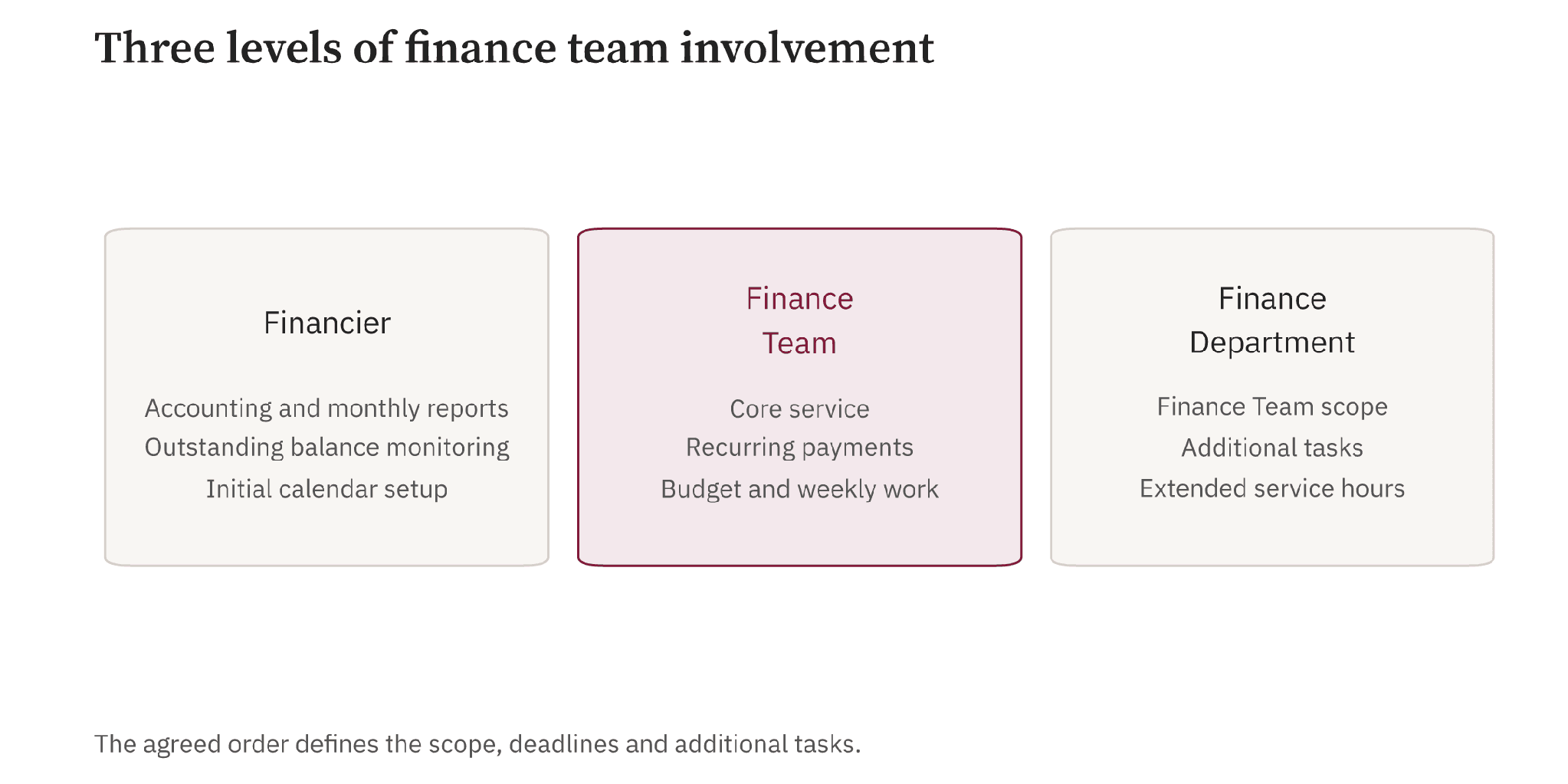
Diagram 1. The expanded packages build on the core service and add agreed functions.
Financier
Financier suits a business owner who needs regular visibility into the finances while the company handles routine payments and administrative work internally. It focuses on management accounting, monthly reports and explanations of the figures.
During implementation, the team sets up a 13-week payment calendar and provides instructions. A designated client employee then maintains it and records changes in expected receipts and payments.
The package also includes setting up a shared repository for financial data and documents, monitoring outstanding balances and tracking payment deadlines. A monthly meeting reviews the period, explores significant changes and identifies follow-up work.
Routine processing of payment requests, weekly reporting, calendar updates by the external team and an annual budget are outside the standard scope. If these tasks become recurring, the scope should be reviewed.
In an illustrative case, an accountant and an administrator prepare payments and submit data on time. The owner needs a clear profit report by business line. The basic package may meet this need if the internal team has the resources to handle the other work.
Finance Team
Finance Team covers the core service and adds recurring payment and planning tasks. It suits companies that need an external team for management accounting, cash planning and financial coordination.
The agreed scope includes processing payment requests and updating the 13-week calendar at least weekly. The team prepares weekly reports and a short-term forecast and helps review upcoming receipts, obligations and open issues.
This package also covers budgeting. It includes an annual budget broken down by month for one scenario, monthly budget-to-actual analysis and a quarterly review. This links day-to-day decisions with financial targets and helps explain variances.
The schedule includes weekly and monthly meetings to review results and issues that need decisions. Alongside the figures, the team coordinates financial tasks so it is clear who supplies data, approves an action and checks completion.
In an illustrative case, a company has several departments. Different managers submit payment requests, purchasing plans affect the cash balance and budget variances regularly need explanation. Finance Team may suit a company that decides to delegate these functions.
Finance Department
Finance Department includes the Finance Team scope and additional work. This can include custom reports, more detailed analysis and the financial aspects of foreign trade and an executive’s personal finances. The agreed service order defines the specific assignments.
Service is available from 09:00 to 21:00 on working days, Tashkent time. These hours give managers a longer window to work with the team. New tasks still follow the agreed scheduling and prioritisation process.
Custom reports may require new data or calculation methods. Their content, frequency and delivery dates should be agreed in advance. Personal finance assignments also need a defined objective, information sources and clear limits on specialist involvement.
In an illustrative case, an executive regularly reviews several business lines and foreign trade transactions. The company needs custom calculations and broader coordination alongside standard reports. Finance Department is an option, with internal managers retaining their roles.
How to compare the packages
Recurring tasks provide a useful starting point for the comparison. The relevant questions are who updates the payment plan, how often management needs reports and whether budgeting needs to be ongoing. A package name is easier to understand when it comes with a defined schedule and set of responsibilities.
Standard package comparison
| Criterion | Financier | Finance Team | Finance Department |
|---|---|---|---|
| Accounting and monthly reports | Included | Included | Included |
| Payment calendar | Setup only | Included | Included |
| Recurring requests and weekly report | Not included | Included | Included |
| Annual budget and budget-to-actual analysis | Not included | Included | Included |
| Additional reports and tasks | Not included | Not included | Included |
The table compares standard scopes. The contract and agreed specification determine final obligations. Adding a company, an analytical dimension or a new report can change the scope.
A broader package is only useful when the work calls for it. If internal staff perform some functions well, the external team can focus on the gaps. The basic scope may be insufficient when payment and planning tasks are frequent.
What to agree before choosing
Assessing the scope requires a list of companies and business lines, their data sources, transaction frequency and current team. It helps to describe the intended result in practical terms, such as reporting by business line, maintaining a payment plan or regularly comparing actuals with the budget.
The next step is to assign responsibilities. This includes clarifying who confirms sales and expenses, supplies balances, prepares underlying cost data and approves payments. Even with an expanded package, the client still provides operating information and exercises management authority.
Reconstructing past records, preparing new reports and handling unusual assignments should be discussed separately. The effort depends on available information and the checks required. The parties should agree on the terms before adding extra work to the recurring schedule.

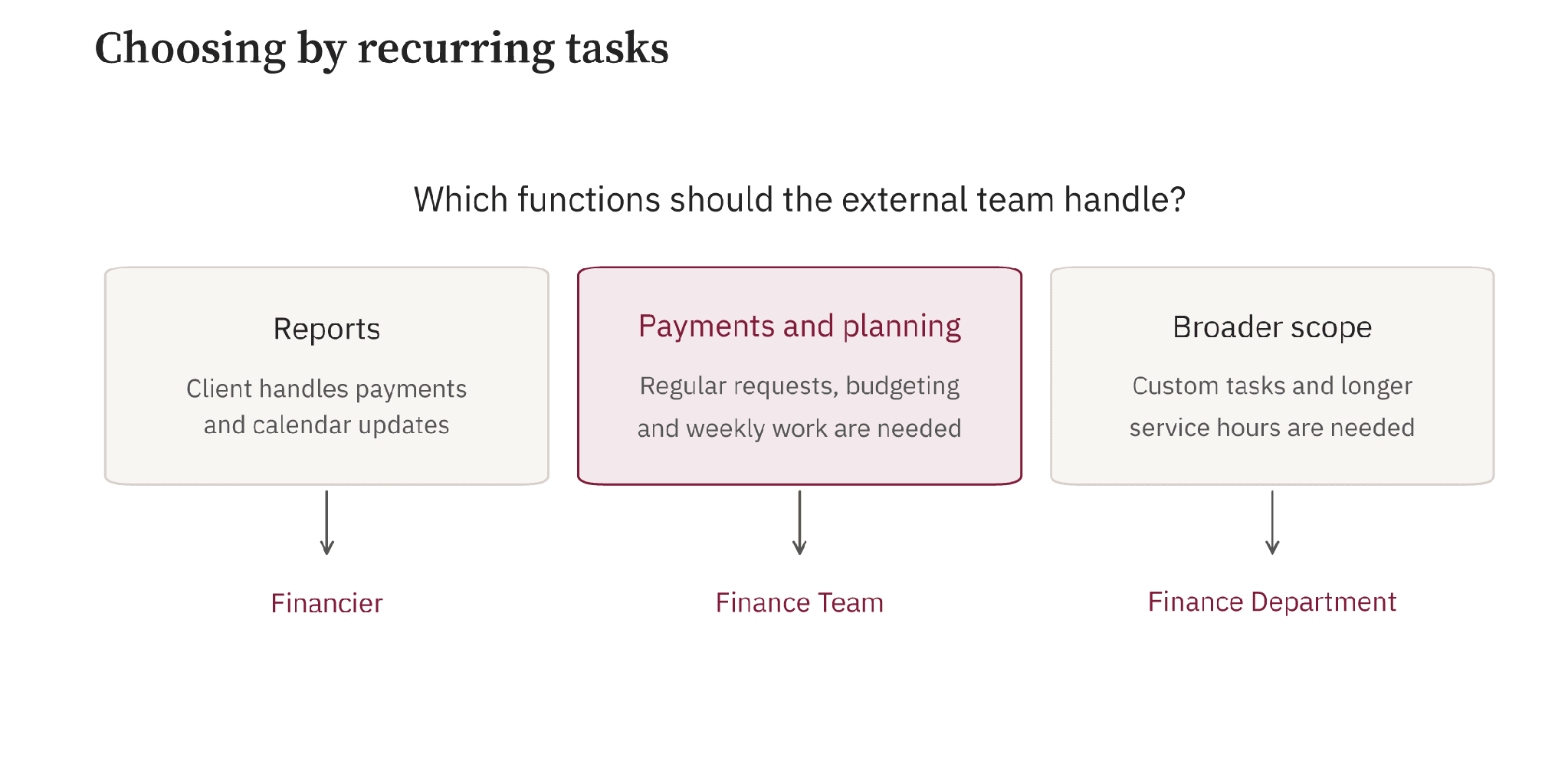
Diagram 2. A guide to choosing a package by task. Internal capacity and final scope are assessed separately.
Implementation and pricing
Standard implementation covers the first three calendar months and is included in the service fee. The team reviews the data, agrees methods, sets up templates and tests a trial work cycle. The first analytical report is scheduled for month three.
Implementation varies by package. For example, initial calendar setup is part of the basic package, while budget and recurring payment processes are set up within the relevant packages. The same implementation period can cover different functions.
Pricing is set individually according to tasks, transaction volume and scope. The same package can involve different volumes of data and levels of coordination, so there is no universal price in this article. Deliverables and the work required from the team are useful criteria for comparing proposals. The scope and price of bookkeeping and tax accounting through a partner are agreed separately.